Introduction

Massive greenhouse gas emissions and high embodied carbon from the construction sector are accelerating the global environmental crisis. Reducing these emissions to meet the 2030 international climate targets has always been a challenge. To achieve net-zero buildings, we need to rethink the way we design, prefabricate, and assemble our infrastructure. The integration of engineered bamboo, mass timber, AI and robotic modular construction is now seen as the ultimate sustainable solution!
This 2026 CEE workshop aims to collate cutting-edge research into the dynamic relationship between low-carbon materials, digital twins, and automated building technology, exploring the challenges and opportunities for the next generation of smart, bio-based, and modular high-rise construction.
Keynote speakers
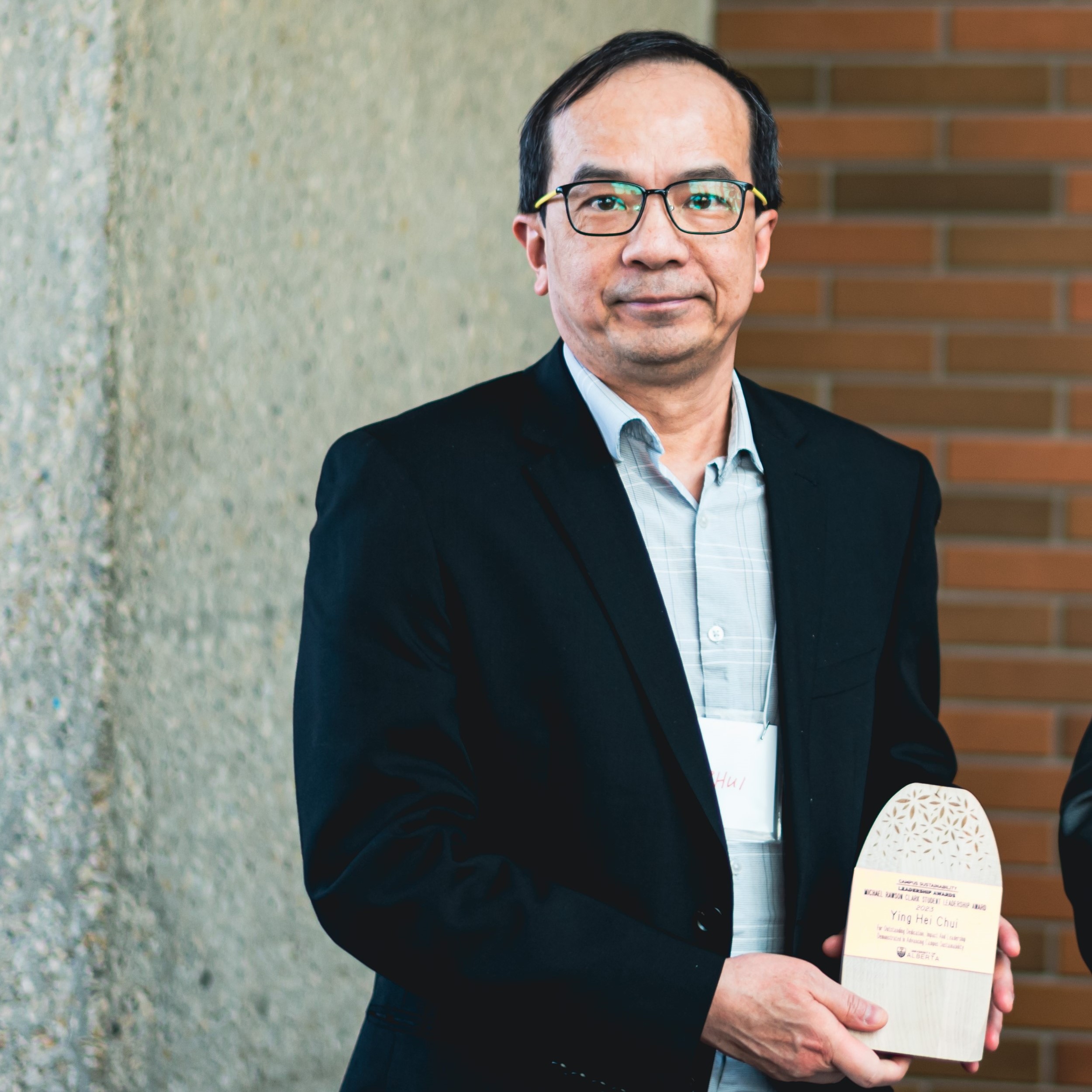
Faculty of Engineering, University of Alberta
Fellow of Canadian Academy of Engineering
Industrial Research Chair in Engineered Wood and Building Systems of NSERCCommittee
Committee Member of the National Building Code of Canada
Research interests
- Timber – steel hybrid lateral load resisting system
- Timber-concrete floor systems
- Engineered wood products and composites
- Non-destructive evaluation and structural dynamics
Presentation Topics
- TBD

Earthquake Engineering Research and Test Center, Guangzhou University
China and John Curtin Distinguished professor, Curtin University
Foreign Member of the Chinese Academy of Engineering
Fellow of Australian Academy of Technological Science and Engineering
Research interests
- Structural dynamics and extreme load mitigation
- Protective structures against earthquake, blast, and impact loads
- Structural condition monitoring and health assessment
Presentation Topics
- Recycling MSWI Fly Ash in Geopolymer Materials: Fresh, Mechanical, and Microstructural Properties

Colorado State University
Civil and Environmental Engineering,Harold H. Short Chaired Professor
Co-Director, Center for Risk-Based Community Resilience Planning
Chief Editor, Journal of Structural Engineering
Research interests
- Performance-based engineering for multi-hazard environments
- Risk-based community resilience planning
- Large-scale experimental shake table testing of structural systems, and Resilient timber and light-frame wood structures
Presentation Topics
- TBD
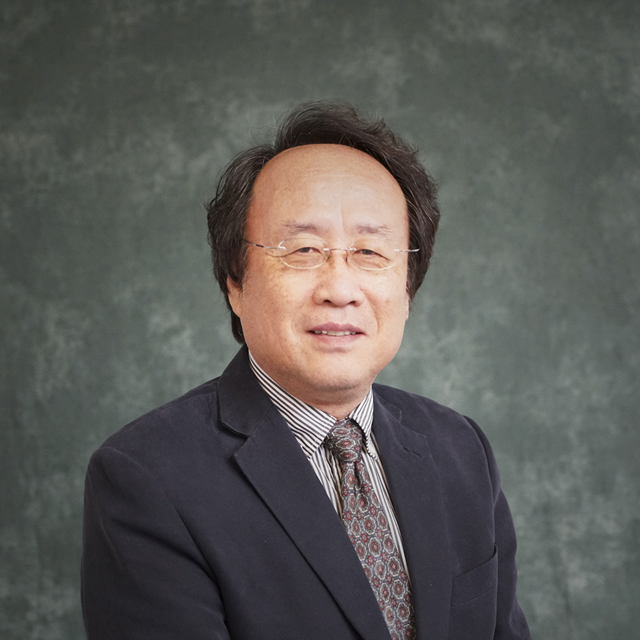
Zhejiang University / University of Illinois at Urbana Champaign Joint Institute (ZJUI)
Fellow of ASCE, ACI, IAWS
Changjiang / Qiushi Distinguished Chair Professor
Director, Joint Research Center for Bio-Based Materials and Carbon Neutral Development (NingHai)
Founding Director for Energy, Environment, and Sustainable Systems Sciences
Research interests
- Integrated protection of engineering structures
- Hybrid and composite structure & Modern bamboo and timber structure
- Advanced and green civil engineering materials research and development
- Manufacture and applications & Experimental methods and analysis
Presentation Topics
- Timber and Bamboo Composite Structures
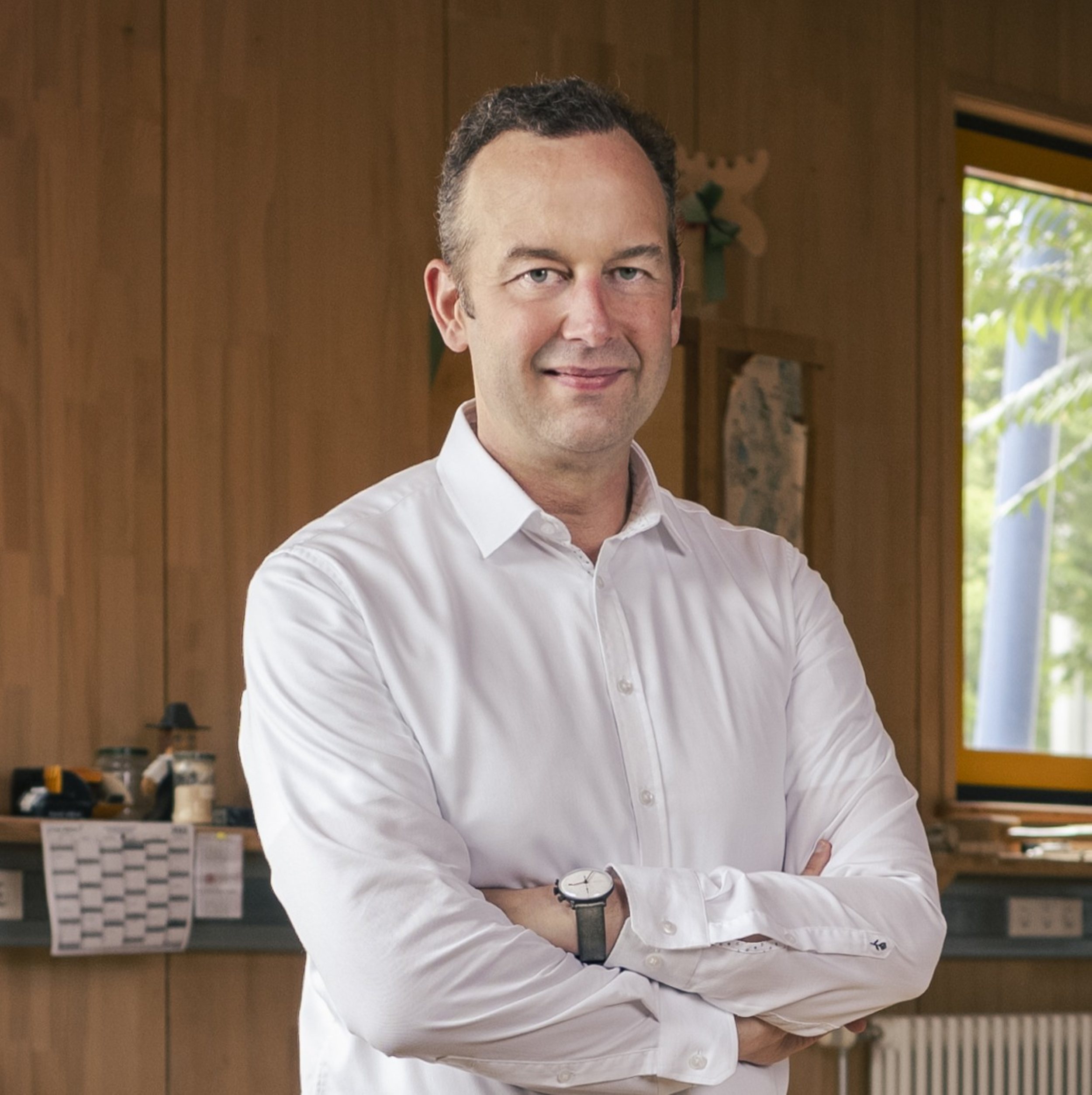
Professor of Timber Structures and Building Construction, Karlsruhe Institute of Technology (KIT)
Chairman of INTER (International Network on Timber Engineering Research)
Chairman and Delegate in European standardization committees (CEN/TC 250/SC 5 “Eurocode 5”)
Appointed expert of the German Institute of Building Technology (DIBt)
Research interests
- Timber Structures and Building Construction
- Structural safety of large-span timber structures
- Cross-Laminated Timber (CLT) and reinforcement
- Development of practice-oriented standards for timber engineering
Presentation Topics
- TBD